

Eventually, it happens – the moment you notice your dog has slowed down. Playtime becomes shorter, walks more leisurely, and getting up is more difficult.
But don't worry: As dogs get older, it doesn't mean less joy – just different priorities. With the right support, you can help your four-legged friend enjoy a better quality of life and greater vitality – in a completely natural way.
How you can tell your dog is getting older
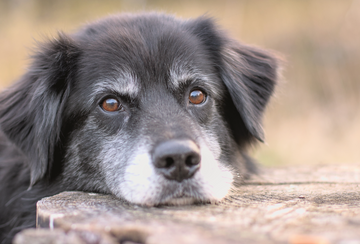
Aging is a very individual process. While some dogs remain fit and agile well into old age, others show changes earlier. Typical signs include:
- grey fur, especially on the face
- increased need for sleep and rest
- reduced resilience and activity
- Joint problems, for example when getting up or climbing stairs
- declining vision and hearing
Sensory abilities often change gradually. A dog that no longer reliably responds to commands is usually not "disobedient," but rather has impaired hearing. Unsteady behavior in the dark or stumbling can also indicate declining eyesight. Patience, consistent routines, familiar routes, and, if necessary, hand signals can help provide your four-legged friend with a sense of security.
Important: Not every change is a normal sign of aging. Conditions such as arthritis, kidney problems, heart failure, or dental diseases occur more frequently with age. Therefore, it's always better to have new symptoms checked by a veterinarian too often than not often enough.
At what point is a dog considered a senior?
As a rough guide:
- small breeds from about 10-11 years of age
- Medium and large breeds from about 9 years of age
- Giant breeds like Great Danes or wolfhounds can be kept from the age of 5.
These are just guidelines, though. What's always crucial is your dog itself – and how it behaves.
Maintaining the right weight – why it becomes even more important with age
As dogs age, they become less active, but their appetite remains unchanged. This quickly leads to weight gain, which puts additional strain on their joints, heart, and metabolism.
Here's what you can pay attention to:
- Weigh your dog regularly (e.g. once a month).
- Adjust the amount of food to the lower activity level.
- Opt for low-calorie, healthy treats
- It's better to feed several small portions throughout the day.
Maintaining a stable weight is one of the most important factors for quality of life in old age – and prevents additional discomfort.
Adjusting their diet – what senior dogs need
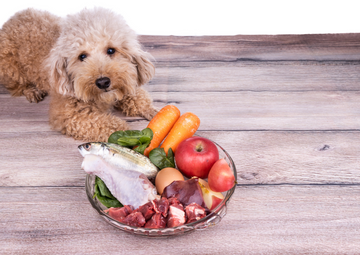
Older dogs have special dietary needs. Their metabolism slows down, and their digestion is more sensitive. Their diet should take these factors into account:
- Fewer calories to avoid weight gain
- High-quality proteins to slow down muscle loss
- moderate fat content to provide energy
- Dietary fiber to support digestion
- More vitamins and trace elements , especially B vitamins, zinc and omega-3.
- Phosphate-reduced recipes to relieve the kidneys
In cases of pre-existing medical conditions (e.g., kidney or liver problems), a special diet may be advisable. High-quality supplements, such as those containing green-lipped mussel, omega-3 fatty acids, or antioxidants, can also be helpful.
Joy of movement instead of joint problems
Joint problems are among the most common age-related conditions. Typical signs include stiffness after periods of rest, lameness, or avoidance of stairs.
Here's how you can help:
- several short walks instead of one long one
- Plan breaks and gentle movements
- Use ramps or carrying aids
- Consider physiotherapy or an underwater treadmill.
Targeted support is particularly important for older dogs – especially during periods of stress. Coxan Dog® "Pre- & Aftercare" combines high-quality collagen, green-lipped mussel, glucosamine, vitamin C , and plant extracts such as cat's claw to optimally support movement and regeneration. Ideal for preventative care and support after strenuous activity.

Keep an eye on your heart and circulatory system
Heart problems are also more common in seniors. Early signs include shortness of breath, coughing after periods of rest, increased fatigue, or loss of appetite.
CORVITAL Dog® was specially developed for older dogs who need cardiovascular support. With hawthorn, ginkgo, vitamin E , and L-carnitine, it contains ingredients that have long been used to support heart health.

Staying mentally fit
Mental abilities can also decline with age. Some dogs appear forgetful, disoriented, or develop altered sleep patterns.
This helps:
- Fixed routines provide security
- Small search games or tricks train the brain
- Antioxidants and omega-3 fatty acids support cognitive performance.
Dental health in old age
An often underestimated issue: teeth. Many dogs suffer from tartar, periodontitis, or loose teeth as they age. This not only leads to bad breath but can also put a strain on organs such as the heart, liver, and kidneys.
Make sure to check your dog's teeth regularly. Veterinarians can professionally remove tartar. Chews or dental treats support oral hygiene, and soft food can make chewing easier for sensitive senior dogs. A healthy mouth contributes significantly to your dog's overall well-being.
Give closeness & security
As dogs get older, they become more affectionate. They seek your company, need routine, and are more sensitive to stress.
Give your dog the security he needs: consistent daily routines, a safe haven, and loving attention. Often it's the little things – a gentle touch, a familiar word, a quiet moment shared – that make all the difference for him.
Here's how you can make everyday life easier for your dog with a few small adjustments...
Many measures are easy to implement and yield significant results:
- Orthopedic dog bed for good sleep and joint relief
- Ramps or carrying aids to avoid jumps
- Elevated feeding bowls to make eating more comfortable
- Carpets and anti-slip mats to prevent falls
Especially as you get older, these little things make a big difference.
Detoxification – Support for the liver and intestines
A healthy gastrointestinal tract is crucial for the proper absorption of nutrients and the body's ability to eliminate toxins. The liver plays a key role in this process: it filters bacteria, parasites, and environmental toxins.
To ensure the liver performs this task effectively in the long term, it needs certain minerals and vitamins. Especially in older dogs, it can be beneficial to specifically support liver function. Many experts therefore recommend a gentle detoxification program once or twice a year – ideally in consultation with your veterinarian.
HEPAGUARD Dog® by Nikolaus Nature was developed to support normal liver function in dogs – with selected natural ingredients. It provides excellent support as your four-legged friend gets older and their body deserves extra attention.

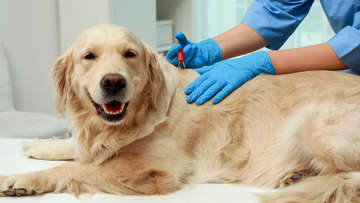
Prevention is care: regular veterinary visits.
Check-ups are particularly important for seniors. Many practices offer special geriatric profiles that include blood and urine tests as well as imaging procedures. This often allows diseases to be detected in their early stages.
However, your own observation remains indispensable – you know your dog best.
Conclusion: Growing old together
Living with an older dog sometimes means more responsibility, but also many wonderful moments. A walk at your own pace, a break together at the lake, or a game of fetch in the living room – all of this enhances quality of life.
With patience, love and the right support, you can give your dog a fulfilling retirement – full of trust, closeness and joy.