

As the days grow shorter and the light slowly fades, many of us feel the change immediately: we become more tired, less motivated, and our immune system seems more sensitive. Instead of summer energy, we crave warmth, retreat, and rest. At the same time, the first colds begin to circulate, the air is cooler, and the constant fluctuations in temperature put a strain on our bodies.
Autumn is a transitional season – for nature, but also for us. Our bodies have to adapt to new conditions: less sunlight, lower temperatures, more time spent indoors, and often a change in diet. All of this affects our energy levels, our well-being, and our nutritional needs.
Why the body needs more support in autumn
Less sun, less vitamin D
One of the most obvious differences between summer and autumn concerns the sun – and therefore our body's own vitamin D. As soon as the days get shorter and we receive less UVB radiation, the body's own production decreases. This can affect many processes in the body, such as mood, immune system, and bone health. Anyone who didn't build up large stores during the summer will notice the difference now, if not before.
More infections, more strain
Viruses and bacteria are particularly active during the transitional seasons. Fluctuating temperatures, dry air from heating systems, and less fresh air weaken the mucous membranes – our first line of defense against pathogens. In addition, we are spending more time indoors again, where pathogens spread more easily.
The immune system is working at full capacity during this time. An adequate supply of vitamins, trace elements, and antioxidants is therefore particularly important to support the body's natural defense mechanisms.
Lack of light and autumn blues
Besides the physical changes, our psyche also reacts to the darker time of year. Less daylight means less serotonin and more melatonin, which makes us tired, sluggish, and sometimes melancholic. Exercise, fresh air, and a stable day-night rhythm help, but certain nutrients can also play a role by supporting metabolic processes and energy balance.
Diet and appetite change
In autumn, many people automatically eat "heavier" foods: more cooked dishes, less raw food, less fresh fruit. This is natural and often beneficial, but it can lead to a decrease in vitamin and mineral intake. Therefore, it's worthwhile to pay attention to balanced meals and, if necessary, targeted supplements.
Five essentials to accompany you through autumn
Against this backdrop, the five autumn essentials – NN Golden Milk , NN Zinc , NN Vitamin D₃ + K₂, NN Vitamin C Complex , and NN Frankincense – are a sensible addition. Not as a replacement for a healthy lifestyle, but as targeted support during a time of year when body and mind are performing a particularly large amount of adapting work.
1. Golden Milk – Warmth from Within
The mere scent of turmeric, ginger, and cinnamon evokes feelings of comfort and tranquility. Golden milk, a warm drink from the Ayurvedic tradition, has been described as beneficial for centuries – warming, balancing, and ideal for cold days.
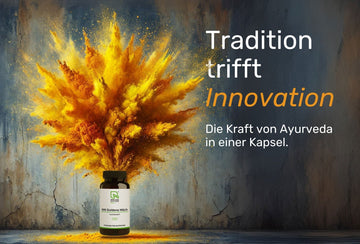
Anyone familiar with the classic drink knows that preparing it takes some time and attention. For those who want to easily integrate the benefits of Golden Milk into their daily routine, NN Golden Milk "high dosage" offers a modern alternative in capsule form. 
This product combines the traditional base of turmeric with high-quality plant extracts such as ashwagandha , barley grass , cranberry , and black cumin . Ashwagandha is traditionally described as an adaptogenic plant, barley grass provides natural micronutrients, and turmeric, more than any other plant compound, is responsible for its characteristic golden color and warming depth.
Thus, NN Golden Milk combines the best of both worlds: the plant power of the Ayurvedic tradition and the suitability of modern nutrition for everyday life.
2. Zinc – the versatile trace element
Zinc is one of the minerals that our bodies cannot store; it requires a regular supply. It plays a role in cell division, enzyme production, and numerous metabolic processes.
In autumn, the need for zinc often increases because the immune system is under greater strain. Stress and an unbalanced diet can also impair zinc absorption. A well-supplied body can better regulate stimuli and react to environmental influences – exactly what we need during the transitional seasons.
Foods such as pumpkin seeds, oatmeal, legumes, and nuts contain zinc. During periods of increased stress, supplementation can also be beneficial, for example with NN Zinc , which provides the trace element in a high-quality, readily available form and can be easily integrated into daily life.

3. Vitamin D₃ + K₂ – Light in the dark months
Vitamin D is known as the "sunshine vitamin" for good reason. It is produced in the skin when sunlight hits our skin, which in Central Europe hardly happens in sufficient quantities from October onwards. A deficiency can gradually become noticeable: reduced energy, low mood, and increased susceptibility to infections.
Therefore, it's advisable to check your vitamin D levels and supplement if necessary. Combining vitamin D with vitamin K₂ is particularly recommended because both work together to regulate calcium in the body. Vitamin K₂ ensures that calcium is stored in bones and teeth and doesn't remain in tissues.
A balanced vitamin D₃+K₂ supplement can therefore help maintain adequate levels during the darker months, without excess, but rather in a balanced way. That's precisely what NN Vitamin D₃ + K₂ stands for: a carefully considered combination of both vitamins in optimal proportions, ideal as a companion through the low-light months.

4. Vitamin C Complex – Protective shield for the cells
Vitamin C is practically a classic during the cold season. It contributes to the protection of cells from oxidative stress and supports numerous metabolic processes. It is often found in a complex form, meaning it is combined with plant-based ingredients such as bioflavonoids (e.g., OPC grape seed extract , quercetin). and The body can absorb rutin particularly well.
Especially when fresh fruits and vegetables are less frequently on the menu, an additional intake is beneficial. Our NN Vitamin C Complex offers a natural, well-rounded form, inspired by its composition as found in nature. A conscious supplement for anyone who wants to maintain a stable vitamin C intake during the autumn months.

A little tip: If you take vitamin C regularly, it's best to do so with a meal – this way it will be well tolerated and optimally utilized.
5. Incense – Tradition meets modernity
Frankincense resin, also known as Boswellia serrata extract , has been used for millennia in various cultures – in Ayurveda as well as in ancient Egypt. Today, the focus is primarily on the boswellic acids it contains, which are described in scientific studies as bioactive plant compounds.
In autumn, when muscles and joints are under greater strain or the cold penetrates the body, frankincense can serve as a natural supplement - as part of a gentle, plant-based support concept.
Quality is paramount: a standardized extract with a defined boswellic acid content, free from unnecessary additives. NN Frankincense contains a high-quality, standardized extract and stands for purity and quality. A herbal companion for the colder months, naturally symbolizing peace and balance.

Conclusion: Consciously through the golden season
Autumn reminds us that everything is in flux – including our bodies. It's a time when we can turn our attention inward: to our energy levels, our routines, and our diet.
With the right companions, warming spices, essential trace elements, and vitamins, this transitional period can not only be weathered but even enjoyed. An afternoon walk, a conscious dose of sunshine, and a few extra nutrients: this isn't a cure for fatigue or a cold, but rather an invitation to be more mindful of yourself.
This way, autumn doesn't become a burden, but a time for recharging – calm, powerful and a little more golden than usual.